





Man, let me tell you, when I first signed up for that Dream Interpretation certification exam, I thought I was golden. I’d been reading Jung and Freud and all that jazz for years. I figured, “I got this in the bag.”
I was dead wrong.
The first practice test I took? I absolutely tanked it. Like, embarrassing scores. I started to freak out because I had already told everyone I knew I was doing this. I poured almost a grand into the course materials, and now I was facing a total washout. My ego was bruised, but mostly I was just pissed off.
I tried what everyone else does. I ripped through the textbooks again. I highlighted every single definition. I forced myself to memorize a hundred different symbols and their meanings. I stayed up late cramming lists. You know what happened? Nothing. My brain just turned to mush. It was like trying to drink water from a firehose—90% of it just went everywhere except where it was supposed to.
I realized the core problem: This exam wasn’t about memorizing what a snake means; it was about knowing how to apply it in a context. It was about process, not just facts. I had to completely scrap my approach and engineer a new system. That’s what I did. I shut down the textbooks, got a clean notebook, and started from zero. This is the simple 5-step process I hammered into shape, and honestly, it’s why I passed without breaking a sweat the second time around.
My 5 Simple Study Secrets: The Process I Built
I called this the “Field Interpreter’s Method.” It’s about acting like a detective, not a parrot.
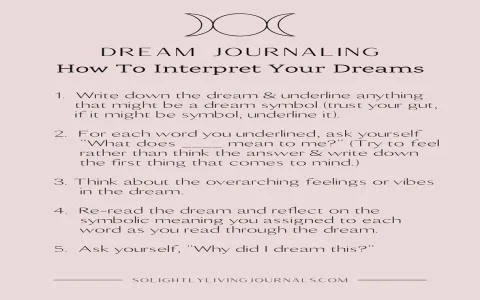
- 1. I Stopped Reading and Started Collecting. (The Data Gathering)
I literally stopped trying to learn new definitions. Instead, I went out and collected real, messy, confusing dreams. I bugged my friends, family, and anyone online who would share their stuff. I wrote down the raw narrative, just like it came out of their mouth. The exam is testing your ability to handle confusion, so I forced myself to practice on confusion. I filled up two notebooks doing this.
- 2. I Ripped the Damn Dream Apart. (The Isolation Technique)
Instead of trying to figure out what the whole dream meant right away, I broke it down into 3-5 key elements. Say someone dreamed of a red truck, a childhood home, and a broken watch. I drew a circle around each one. I ignored everything else. I looked up only those three symbols, wrote down their basic, gut-feeling meaning, and then moved on. I refused to interpret the whole thing until this step was complete. It’s like sorting your laundry before washing it—you don’t throw the whole basket in at once.
- 3. I Focused on the “Feel,” Not the “Image.” (The Emotional Anchor)
This was the biggest game-changer. I made a rule: you can’t interpret the dream until you identify the core feeling it left. Was it anxious? Elated? Confused? I wrote down a single adjective next to the dream. Why? Because the exam is full of tricky symbols, but the emotion is usually the clue to the dreamer’s current life state. If you get the feeling right, your interpretation, even if technically imperfect, will be in the right ballpark. I trained myself to see the anxiety first, then the truck.
- 4. I Taught the Concept to a Toddler. (The Simplicity Test)
Every time I finished an interpretation, I sat down and pretended I was explaining it to my skeptical neighbor who thinks dream interpretation is a load of bunk. If I had to use complex jargon like “collective unconscious” or “shadow aspect,” I scratched it out and started over. If I couldn’t explain the meaning of the dream in three simple sentences—stuff like, “Your job is stressing you out,” or “You feel you’re wasting time”—it meant I hadn’t understood it deeply enough. The exam graders want clear, concise reasoning, not philosophy.
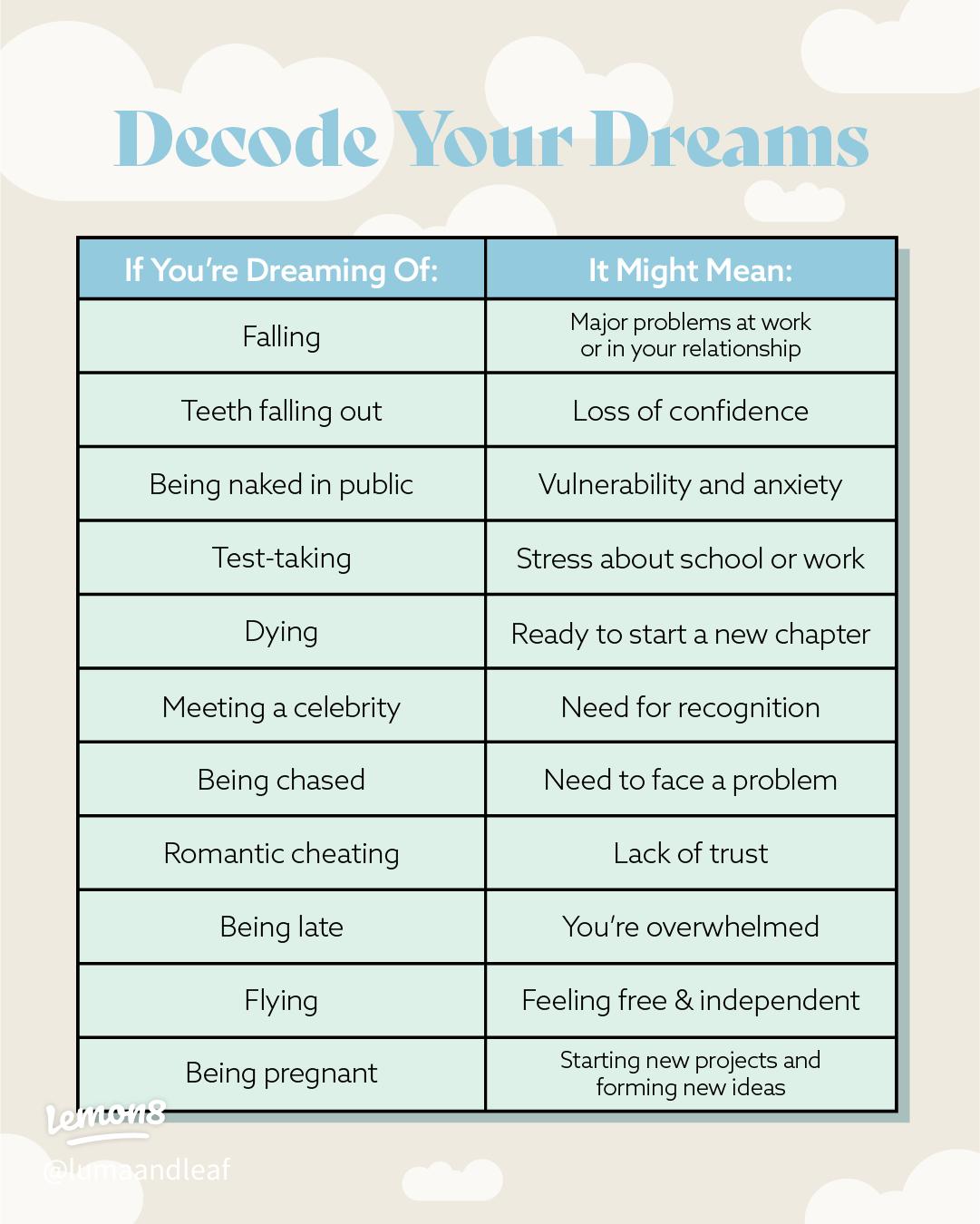
- 5. I Built a 2×2 Cheat Sheet. (The Quick Reference)
Okay, you still need some facts. I took four pieces of paper and taped them together into a massive square. I wrote down only the most common symbols (water, houses, teeth, cars) and their three most likely meanings (e.g., Water: Emotion, Unconscious, Cleansing). That’s it. No complicated hierarchies. I stared at this thing every morning for ten minutes. This cemented the basics so that when a complex symbol came up on the test, the simple ones were already locked in, freeing up brainpower.
I practiced this routine for a month straight. When I took the real exam, it felt easy. It didn’t feel like a test of memory; it felt like a puzzle I had already trained for. I walked out of the testing center and knew I had crushed it. Forget what the books tell you—if you want to pass, you have to stop reading about the work and start doing the work. Trust me on this one. It’s the difference between a failing grade and the certification hanging on your wall.