




Man, let me tell you, I wasted months on this. Seriously. I kept having these dreams—not just me, a lot of people I was chatting with online had the same thing—where a ‘father figure’ would show up. Sometimes it was my actual dad, but acting completely weird. Sometimes it was just an old guy, a boss, or a severe, silent figure. Every time, I tried to crack the code. I read every single dream dictionary and pop-psychology book I could find. And they all told me the same thing: Dream Father = your relationship with your actual, biological dad. That’s it.
I grabbed my old dream journals and started forcing the interpretation. My real dad is a pretty chill guy, retired, plays poker every Tuesday. But the dream father? He was a control freak. He was constantly building walls out of wet concrete, or giving me an impossible deadline, or just staring at me with a look of pure, cold disappointment. I spent hours trying to connect those dream actions to the real, relaxed man who helped me fix my porch last summer. It didn’t fit. Not even close. I was basically lying to myself to make the ‘textbook’ interpretation work, and it just led to more confusion. I’d wake up feeling more lost than when I went to sleep. I was making the biggest mistake there is: taking the symbol literally and personally.
The Mess That Forced Me to Change My Practice
The absolute breaking point came last year when I was dealing with a massive corporate restructuring. Total chaos. New management came in and just torched every system we had. It was arbitrary, painful, and felt completely unfair. Rules were changing every day. My whole work life felt like shifting sand. I was under immense stress, trying to figure out how to operate in a company that suddenly had no consistent structure.

Then I had this dream. The dream father was standing on top of a giant, crumbling wall. He looked down at me, not angry, just utterly defeated. Then he just shrugged, and the wall collapsed into dust. I woke up sweating, and for the first time, I didn’t immediately think of my dad. I thought of my CEO. I thought of the corporate structure that was currently crushing me.
That day, I threw out every note I had that focused on my biological parent. I restarted my entire practice. The first thing I wrote down was: “The Dream Father is not a man; he is a function.” I decided, right there, to treat the figure not as ‘Dad,’ but as ‘The Authority,’ ‘The Judge,’ or ‘The Structure.’
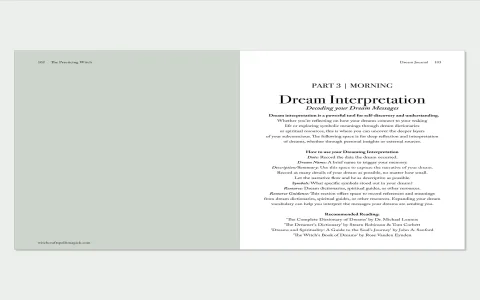
I developed a new, strict journaling system just for this archetype. I forced myself to ask questions that were completely impersonal:
- What is the ‘Father Figure’ Doing? (Action verbs only: judging, providing, building, destroying.)
- What real-life system or structure currently Mirrors that action? (Is my bank doing this? Is my government doing this? Is my own self-imposed discipline doing this?)
- What feeling is the dream figure Eliciting? (Security, oppression, freedom, judgment?)
I followed this new routine for two months. Every dream I had with a stern, older male figure, I ran it through this system. And suddenly, it clicked. The father-figure who was building concrete walls? That wasn’t my dad; that was my financial structure—my rigid, fear-based budget that was suffocating me. The figure who was silently disappointed? That was my inner critic, my superego, the internalized set of impossible standards I hold myself to. The collapse dream? That was my mind processing the breakdown of the corporate structure, not commenting on my family life.
The truth I stumbled into is simple: the ‘father’ in dreams is almost always a symbol for the impersonal, ruling system in your life. It’s the archetype of external structure, judgment, security, and rule-making. The biggest mistake you can make is what I spent so much time doing: reducing that massive, powerful symbol down to just one man who happens to be your parent. You can’t be so lazy. You gotta broaden the scope. He’s the security guard of your boundaries, the corporate boss of your ambition, the stern judge of your morality. Once you start looking at him that way, the dreams stop feeling accusatory and start feeling instructional. It opened up my whole process. Trust me, dump the personal stuff and look at the structure—that’s the whole ball game.