



You know, for the longest time, my nights were just… nights. Sleep happened, dreams happened, and then I woke up, and mostly, it was all gone. Like a movie playing in a dark room and the projector just gets switched off. I never really thought much about it, just figured dreams were random static, a brain dump, nothing to really dig into. But then, things got a bit messy in my life, some rough patches, and I started having these really vivid, sometimes upsetting, dreams. They weren’t just random anymore; they felt like they were trying to tell me something, but I just couldn’t quite grasp it.
I was feeling pretty lost, honestly, just going through the motions during the day, and then these wild rides at night. I remember one morning, I woke up feeling super anxious from a dream where I was constantly falling, but never hitting the ground. It stuck with me all day, and I just thought, “Man, there’s gotta be more to this than just a bad night.” So I just decided, on a whim, to try and actually pay attention to this stuff. Not in some grand, scientific way, but just for myself. To see if I could make any sense of my own head, you know?
Getting Started: Catching Those Elusive Night Thoughts
My first step was super simple, almost laughably so. I grabbed a cheap little notebook – the kind you get from the dollar store – and a pen. Placed it right on my bedside table, literally within arm’s reach. The rule I made for myself was, the moment I stirred, the moment I felt myself waking up, I had to grab that pen before I even thought about looking at my phone or getting out of bed.
This was crucial. Those first few seconds after waking are like a super highway for dream recall, and it shuts down fast. So, I just wrote down anything that came to mind. Even if it was just a feeling: “woke up feeling heavy,” or a single blurry image: “saw a red door,” or a fragment of a conversation: “someone said ‘don’t forget the key’.” No judgment, no trying to make sense of it yet. Just get it on paper. Sometimes it was just gibberish, and that was fine too. The point was to capture the raw data.
The Daily Grind: Recording and Reviewing
I kept this up every single morning. Some days the notebook was almost blank, other days it was a frantic mess of scribble. After a week or two, I started a new routine. Sometime later in the day, maybe during a coffee break, I’d pull out the notebook. I’d read through my recent entries.
- I’d look for recurring themes. Did I keep seeing water? Or maybe always being late?
- I’d circle words or images that really stood out, that felt significant even if I didn’t know why. Like a specific animal, or a particular feeling.
- I also started jotting down a quick note about what was going on in my life around that time. Just a few bullet points: “Stressful week at work,” “Had a fight with a friend,” “Excited about a trip.”
This wasn’t about trying to unlock ancient secrets; it was more like doing a daily brain inventory. I just wanted to see what my subconscious was highlighting.
Digging Deeper: Asking “What Does This Mean TO ME?”
This part was the real game-changer. After a few weeks of just collecting the data, I started trying to interpret it. But not by looking up “dream symbols” online or in books. No, that felt too generic. This was about my mind, so the answers had to come from me.
I’d pick a particularly vivid dream, or a recurring symbol, and just sit with it. For example, if I dreamt of “being in a dark forest,” I wouldn’t immediately think “forest means growth.” Instead, I’d ask myself:
- What does a forest feel like to me? Is it peaceful? Scary? Mysterious?
- What does “dark” mean in my experience? Is it unknown? Hidden? Dangerous?
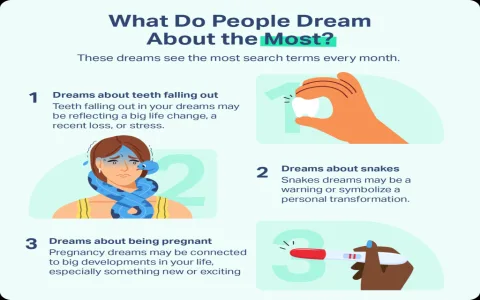
I’d free associate. If I saw a “snake,” did it mean something tricky, or something wise, or even just my fear of actual snakes? It was about connecting the dream imagery to my own personal feelings, memories, and current life situations. Often, I’d just write down a stream of consciousness about what a symbol brought up for me. It was raw, often rambling, but it started to build a bridge between my conscious thoughts and those wild nightly narratives.
The Realizations: It’s Not Always About Solving
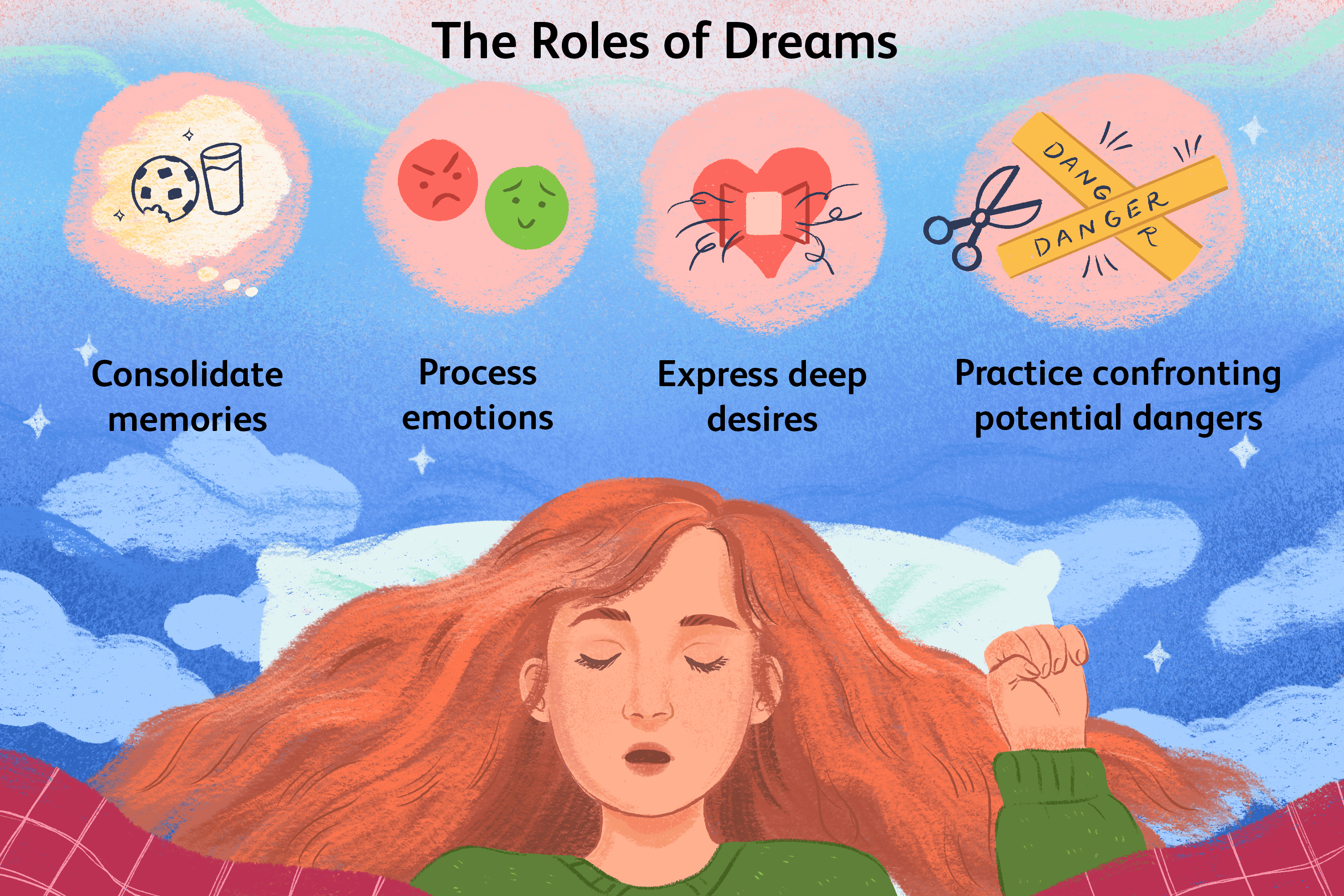
What I slowly started to realize was that this wasn’t about “solving” dreams like puzzles. It was more like my brain was giving me hints, sometimes even warnings, about things I wasn’t really acknowledging when I was awake. I started noticing patterns. When I was feeling overwhelmed by responsibility, I’d often dream of carrying heavy things or being trapped. When I was craving a change or feeling stuck, water or journeys would frequently appear.
There were moments, sometimes weeks later, when something in a past dream entry would suddenly click. An image that seemed random at the time would perfectly align with a challenge I was facing or an emotion I had been suppressing. It wasn’t about grand revelations every day, but more about a gradual, slow unfolding. It gave me a new way to understand what was really going on inside my own head, beyond the daily chatter. It’s a continuous process, still going, and it’s taught me more about myself than I ever thought possible just by listening to those nightly stories.