




You know, for a long time, I just thought dreams were, well, dreams. Random flickers, echoes of the day, something your brain just did while you were out cold. I never really gave them much thought beyond maybe a quick chuckle at a particularly weird one over coffee. But then life, as it often does, threw a few curveballs my way, and I found myself feeling a bit… adrift. Like I was missing something, even though everything on the surface seemed fine. It was this nagging feeling, you know?
I was hunting around for anything that might give me a new angle, a fresh way to look at things. I devoured self-help books, tried meditating – you name it. And then, somehow, I stumbled onto old Sigmund Freud. I’m telling you, it wasn’t some grand plan. More like a late-night internet dive where one thing led to another, and suddenly I was staring at a Wikipedia page about “The Interpretation of Dreams.” My first thought? “Seriously? This old dude with the beard?” It felt a bit… antique, for lack of a better word. All those Victorian ideas, the cigar, the couch – it felt like something from a black-and-white movie.
But the idea itself, the one about dreams being a sort of coded message from your own unconscious, that caught my attention. It was like he was saying there’s this whole other conversation happening inside you, and dreams are the language it uses. And if you could figure out that language, maybe you could understand what all that internal chatter was really about. Sounded a bit out there, but also, kind of cool. I figured, what’s the harm in trying? I was already trying everything else.
So, I decided to give it a whirl. My first step was incredibly basic, almost laughably so. I just grabbed a cheap notebook, nothing fancy, and decided I was going to try and write down my dreams. Every single morning. This was way harder than I thought it would be. I’d wake up, and for a fleeting moment, the dream would be so vivid, so real. But by the time I fumbled for the notebook, it was already slipping away. Like trying to hold water in your hands. I’d scrawl down a few words, a feeling, a vague image, and then stare at it, wondering what the hell it meant. Most mornings, it was just fragments – a dog, a house I didn’t recognize, feeling anxious, an old friend’s face. Pure chaos.
I stuck with it though, even when it felt pointless. It became a routine. Wake up, lie still for a minute, try to catch the tail end of whatever movie my brain had been playing. Then, I’d grab the notebook and just write. No judgment, no trying to interpret anything right away. Just getting it down. I wrote down the setting, the people, the actions, and most importantly, how I felt in the dream. Was I scared? Happy? Confused? Angry? These feelings, I learned later, were often the most direct clues.
Diving Deeper: My Personal Decoding Sessions
After a few weeks of just collecting these dream snippets, I started to actually do something with them. This is where it got interesting. I’d sit down with my messy notebook, maybe on a quiet Sunday afternoon, and I’d pick a dream that felt particularly strong or weird. I’d read through what I’d written, and then I’d just let my mind wander. Freud talked a lot about “free association,” and that’s basically what I tried to do. If I saw “a red car” in my dream, I wouldn’t try to look up “red car meaning” in some book. Instead, I’d ask myself:
- What does “red car” make me think of right now?
- Does it remind me of anyone? Anywhere?
- What emotions does it bring up?
- Have I seen a red car recently? What was happening then?
- Is there anything about a red car that makes me feel a certain way in my waking life?
It was less about finding a definitive answer and more about seeing where my own thoughts led me. I’d scribble down all these associations around my dream notes. It felt a bit like being a detective, but the crime scene was my own head. And trust me, some of those crime scenes were baffling.
There were plenty of times I felt completely lost. I’d stare at my scribbles and think, “This is ridiculous. It’s just a dream about trying to find my shoes, what could that possibly mean?” But I kept at it. And then, every once in a while, something would click. It wasn’t a lightning bolt, more like a slow dawning, a quiet realization that crept up on me. For example, I kept having dreams where I was trying to get somewhere important, but I’d always be late, or couldn’t find my way, or my car wouldn’t start. In the dream, I’d feel this intense anxiety and frustration.
Through the association process, I realized that these dreams weren’t really about transportation or punctuality. They were tied to a feeling I had in my waking life about my career. I was feeling stuck, like I wasn’t moving forward, and there was a lot of pressure to “get somewhere” professionally, but I felt blocked. The car not starting, being lost – it was a direct reflection of that internal struggle. It wasn’t about missing a meeting; it was about feeling like I was missing my chance in life. When that clicked, it was genuinely eye-opening. It didn’t solve my career problem, but it put a name to the feeling, showed me where some of that anxiety was truly coming from.
The Real Takeaway: What It Does for Me
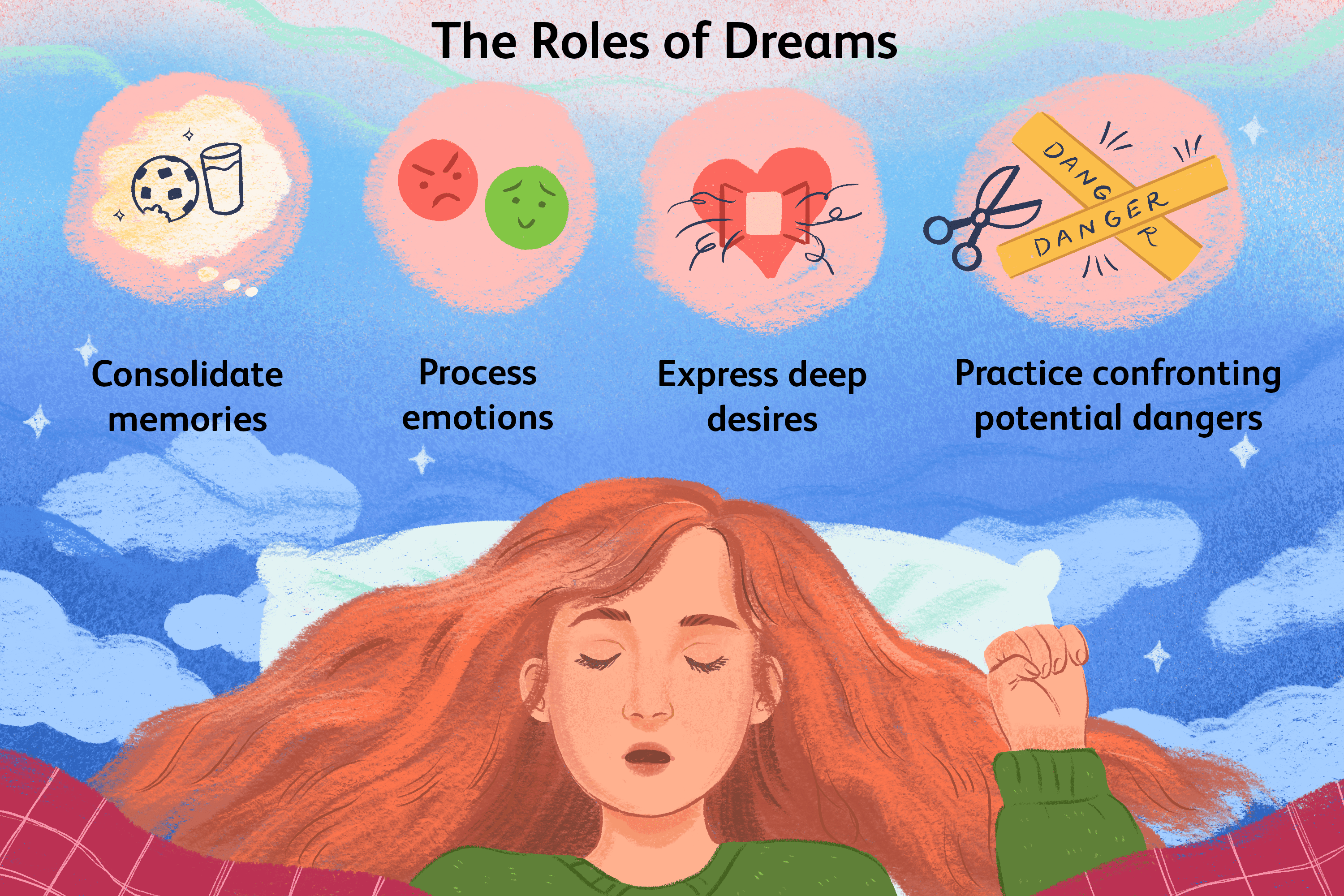
So, what does Freud’s dream analysis do for me, personally? It’s not about predicting the future or getting some mystical insight. For me, it primarily does three things:
- It helps me connect the dots. My dreams often pick up on things I’m consciously trying to ignore or push down during the day. They bring those subconscious worries, desires, and conflicts right to the surface. It’s like my brain is waving a flag, saying, “Hey, pay attention to this!”
- It builds self-awareness. By regularly engaging with my dreams, I’ve started to understand my own patterns of thinking and feeling better. I see recurring themes, recurring anxieties, recurring hopes. It’s like getting a deeper look at the operating system of my own mind. I understand why certain situations trigger certain reactions in me, because I’ve seen those underlying feelings play out in my dreams.
- It offers a different perspective. Sometimes, what feels like a massive problem in my waking life, when seen through the lens of a dream, suddenly looks like something else entirely. It helps me detach a little, observe it, and sometimes even find a creative solution I wouldn’t have thought of otherwise. It’s like getting a secret message from myself.
I still keep my dream journal. It’s not an everyday thing anymore, but when I’m feeling particularly restless or confused, or if I have a dream that just sticks with me, I pull it out. And every time I do, it’s a journey inward. It shows me a side of myself that’s usually hidden, and honestly, that’s a pretty powerful thing to tap into. It just… helps me figure things out.