
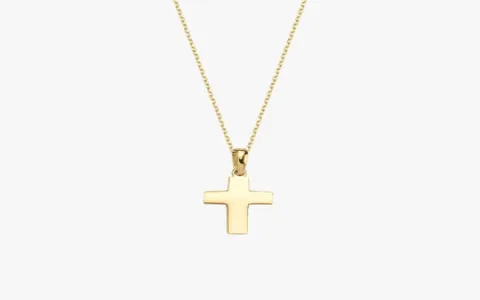
You know, for years, I had these old gold necklaces just sitting in a small box, tucked away in my dresser drawer. They were my grandma’s, and my mom had given them to me after she passed. I never really wore them much. They felt… old-fashioned, I guess. Just bits of shiny metal. I always figured, “Yeah, they’re gold, so they’re worth something, maybe someday.” But that was about as deep as I thought about it.
Then, a few months back, I was doing a big clear-out, you know, one of those deep dives into all the junk you accumulate. I pulled out that box again. This time, instead of just pushing it aside, I actually took a moment. I picked one up, a really thin chain with a tiny, worn pendant. It felt cool in my hand, surprisingly heavy for its size. And for some reason, right then, it just made me stop. I started wondering about it. What was its story? Where had Grandma worn it? What did it mean to her?
That spark of curiosity sort of lit a fire. I didn’t immediately jump to checking its value or anything like that. My head just kept going back to the “meaning” of it all. I started pulling out all the pieces, spreading them on a soft cloth on my desk. There was a thicker, more ornate one, a simpler plain chain, and that tiny pendant. I spent a good hour just looking at them, really looking. I felt the tiny clasps, traced the patterns with my finger. It wasn’t just about the gold anymore; it was about the craftsmanship, the history they seemed to carry.
I dove headfirst into trying to figure out what these things meant. I hit up the internet, just general searches at first. I wasn’t looking for investment tips, just stories. I read about the history of gold as jewelry, how it’s been around for thousands of years, how different cultures valued it, not just for its shimmer, but for its permanence. I learned that pure gold doesn’t tarnish, doesn’t rust, doesn’t fade. It’s tough. It lasts. That really struck me. These pieces had probably outlived multiple generations of wearers, holding on to their shine.
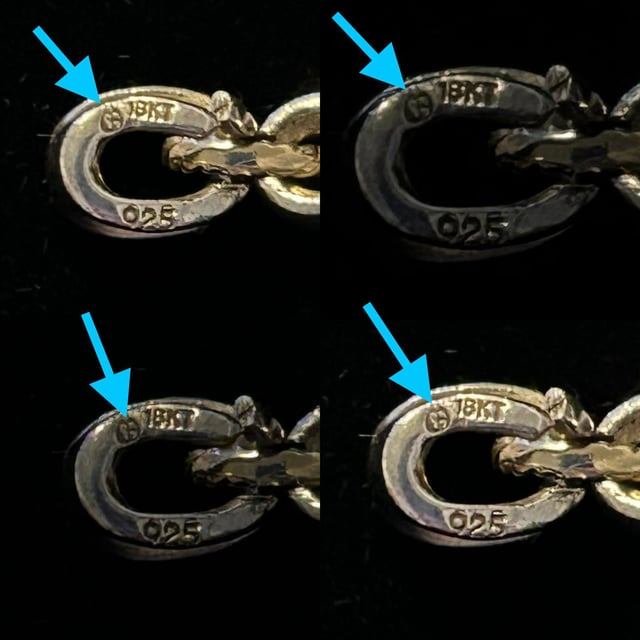
I found myself going down rabbit holes about different types of gold, the carats, what they meant for hardness and color. I even started looking at some of the common jewelry markings on older pieces. I pulled out a magnifying glass, one of those tiny ones from a old stamp collecting kit, and really squinted at the clasps and the back of the pendants. Some had almost invisible little stamps on them. I couldn’t make them all out, but just the act of trying to decipher them made them feel more real, more like artifacts rather than just “stuff.”
This led me to some practical stuff. These necklaces, while old, were also a bit grungy. Not dirty, but just… dull. So, I figured, if I was going to appreciate their meaning, I should probably also take care of them. I watched a few videos on how to properly clean old gold jewelry without damaging it. Grabbed some mild dish soap, warm water, and a super soft toothbrush. It wasn’t a quick job; I took my time, gently working on each link, each curve. Seeing the subtle sparkle return, it was like they were waking up. It felt good, like I was actively participating in their preservation.
Then, I decided to take a step further. I took the pieces to a local, old-school jeweler. Not to sell, not even for an appraisal right away, but simply to ask. I wanted to hear from someone who really understood these things. I asked him about the craftsmanship, about the era these might have come from. He was awesome. He showed me how some of the chains were hand-linked, pointed out specific design elements that were popular in different decades, and talked about how much effort went into making pieces like these before mass production became the norm. He even showed me how to check for potential weak spots in the links, stuff I never would have known.
All this digging, all this looking, all this learning, it really shifted my perspective. These weren’t just “gold necklaces” from my grandma anymore. They were tangible connections to her, to a past, to a craftsmanship that felt almost forgotten. They were symbols of endurance, of something beautiful that had truly stood the test of time. They represented stories untold, memories held within their very fabric. The “meaning” wasn’t just some abstract idea; it was real, solid, and right there in my hand.
So, what’s next for these pieces, and for me? Well, first off, I’m getting a proper, formal appraisal done, not just for insurance, but because I now truly value their historical and sentimental worth, not just their material weight. Beyond that, I’m actually looking into taking a basic jewelry repair and restoration class. Not to become a jeweler, but just to gain a deeper understanding of the craft, to learn how to properly care for these pieces, and maybe even to do some minor, respectful restoration work myself down the line. It’s about becoming a better steward of these heirlooms. And honestly, it’s made me look at other things in my life – objects, relationships, even old memories – with a fresh set of eyes, asking, “What’s the real meaning here, beyond the surface?”