


You know, for the longest time, I just had this nagging thought in my head. Like, I’d see all these gorgeous dresses out there, in shops, online, on people walking by, but it always felt like there was a missing piece. It was never really for everyone. Some stuff was too fancy, some too casual, some just wouldn’t work on certain body types, or just didn’t quite hit the current vibe people were actually going for. It was like a constant itch I couldn’t scratch.
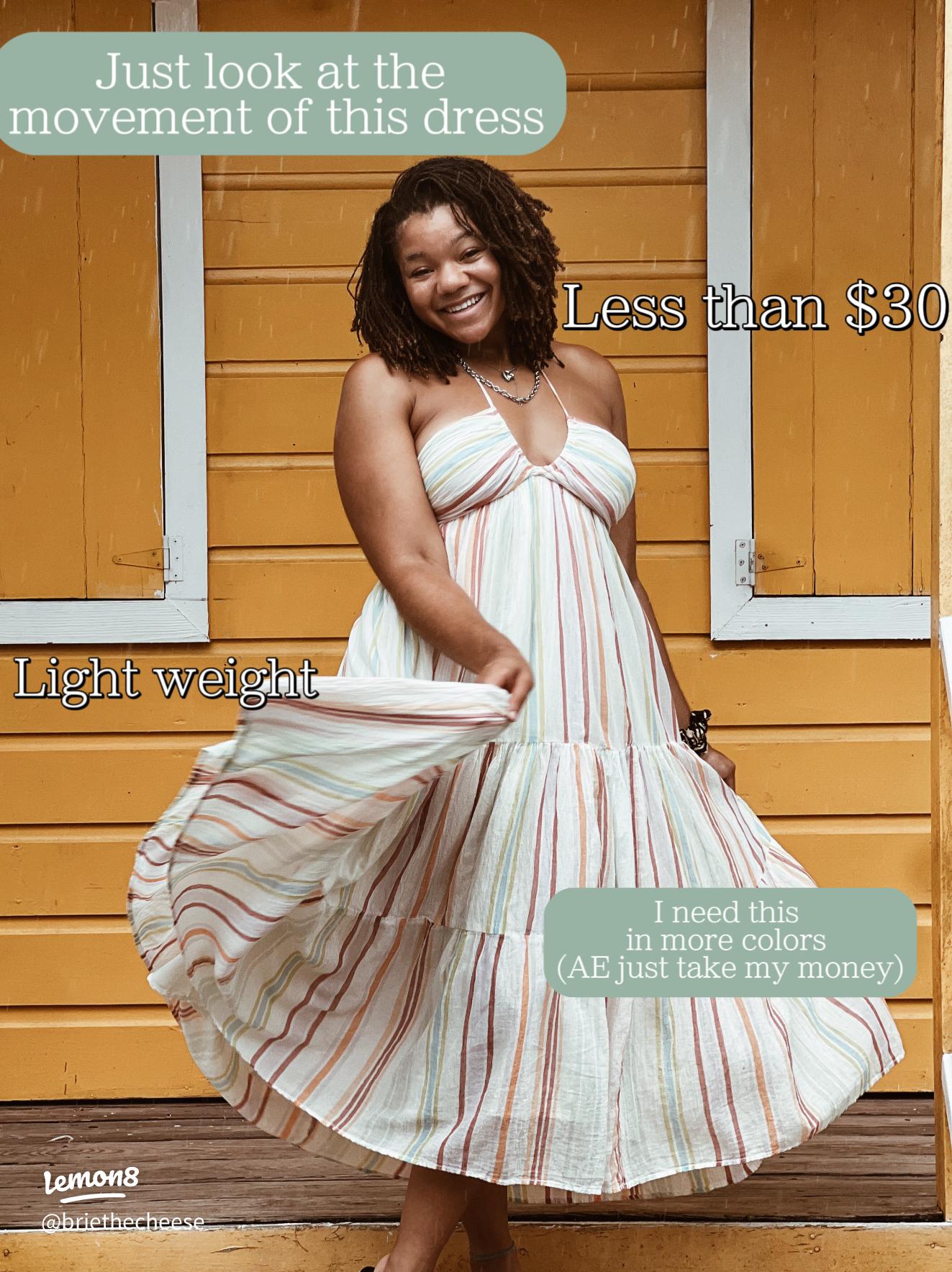
So, one day, I just thought, screw it. What if I could figure out how to make dresses that did feel like they were for pretty much anyone? Not just one size fits all, that’s crazy, but designs that felt right, looked good, and fit into what people were actually wearing. That was the big dream kicking around in my head – dresses for all, but really watching what was happening around us, what people were digging now.
My first step, seriously, was just grabbing a big old sketchbook. I didn’t even know how to draw proper fashion stuff, just scribbled ideas. I’d sit on a park bench, or in a coffee shop, and just watch folks. What kind of shapes did I see? What fabrics looked comfy? What colors were popping up everywhere? It wasn’t about what the big magazines were pushing, but what felt real on the street. I also spent a ton of time just scrolling through social media, not looking at influencers, but at normal people sharing their everyday outfits. That was a huge eye-opener for spotting trends.
Getting My Hands Dirty
Once I had a bunch of blurry sketches and notes, I knew I needed to actually make something. I didn’t have a clue where to start. So, I went down to the local fabric district. Man, that was an experience. Just walking through those aisles, touching all the different materials. Some felt awful, some felt amazing. I bought a bunch of cheap fabric scraps, just little bits of cotton, linen, some stretchy stuff. Didn’t have a plan, just wanted to feel them, see how they draped.
Next up, the sewing machine. I inherited an old clunker from my aunt. It was loud and temperamental, but it worked. I watched endless YouTube videos. Seriously, I must have gone through a hundred tutorials on basic seams, how to hem, how to cut fabric straight. My first few attempts were, well, they were attempts. I made a lot of crooked lines, ripped out a ton of stitches, and probably wasted more fabric than I care to admit. It was pretty frustrating at times. I remember thinking, “Is this even worth it? Am I just wasting time?”
But then, I’d pick up a new piece of fabric, something that really caught my eye, and the motivation would come back. I decided to start super simple. No complex patterns. Just basic shapes. An A-line, a shift dress. Things that were forgiving. I spent weeks just cutting and sewing, trying to get the hang of it, trying to make something that didn’t look like a total disaster.
The Nitty-Gritty of Trends and Fitting
- Spotting Real Trends: This was more than just looking at magazines. I’d pay attention to what kind of sleeves were popular, what lengths, what kind of waistlines. Was everyone wearing loose stuff? Or was there a shift to more fitted styles? It was all about observing, constantly. And then trying to translate that into a simple design, something that could be adapted.
- Fabric Hunt: This was a constant battle. I needed stuff that felt good, was reasonably priced (because “for all” also means not super expensive), and held up. I learned to tell the difference between good quality and junk just by touching it. I also figured out which fabrics were easier to work with for a beginner like me.
- Pattern Making (or Faking It): I started by tracing existing clothes I liked, then slowly learned how to adjust things. How to make a sleeve longer, a waist wider. It was all trial and error. I didn’t use fancy software, just big rolls of paper and a ruler.
- Getting Feedback: This was absolutely crucial. Once I had a few somewhat wearable prototypes, I begged friends, family, even some friendly neighbors, to try them on. I wanted honest opinions. “Does this feel tight here?” “Is this length weird?” “Would you actually wear this out?” Their input was gold. It helped me understand that “for all” didn’t mean one single dress, but adaptable features. Like, a dress with a simple elastic waist could work on more people than one with a fixed, tailored waist. Or a basic silhouette that could be dressed up or down with accessories.
I learned so much just by doing it. I realized that the idea of “dresses for all” wasn’t about some magic universal dress. It was about creating designs that were inherently flexible, comfortable, and relevant to what people actually wanted to wear right now. It was about taking those fleeting trends and figuring out how to bake them into something practical and accessible.
It took ages, seriously. From those first messy sketches to finally making a dress that I was genuinely proud of, and that someone else actually loved wearing. It was a journey of busted seams, frustrating unravels, and a whole lot of head-scratching. But seeing that dream start to become a little bit real, even in my small way, it’s a pretty good feeling.