




Man, I gotta tell you, I spent a good amount of time digging into this whole grapes in the Bible thing. It’s one of those topics people talk about, you hear bits and pieces, but I wanted to see what was really going on, you know? Not just the surface-level stuff.
The Starting Line: Why Grapes?
I started simple. Just grabbing my old physical Bible—the one with the pages all marked up—and doing some basic keyword searching online, obviously. I focused on words like “grape,” “vine,” “wine,” and “vineyard.” The sheer number of times these terms popped up was the first big eye-opener. It wasn’t just a few mentions; it was practically everywhere, from Genesis right through Revelation.
My first thought was, okay, they were just common crops back then. Practicality first. But if it was just about agriculture, why all the heavy symbolism? That’s where I realized I had to move past simple translation and start looking at the context of the stories.

Diving into the Old Testament Imagery
I dove deep into the Old Testament. The book of Isaiah and Jeremiah were rich territory. I kept seeing the vineyard used as a direct stand-in for Israel. Like, the whole nation, God’s chosen people. It wasn’t subtle.
- Isaiah 5: This was a huge one. The “Song of the Vineyard.” God planted the best vine, He expected good fruit, but it yielded wild grapes—sour and useless. This wasn’t about bad farming; this was a direct indictment of Israel’s spiritual failures and disobedience. The grapes symbolized the expected righteous output of the people. When they failed, the metaphor showed immediate consequences.
- Hosea and Jeremiah: Similar themes popped up. The spoiling of the harvest, the scattering of the vines. It was always tied to judgment or divine displeasure. The health and fruitfulness of the vine mirrored the spiritual condition of the people.
I realized the grapes themselves weren’t just fruit; they were the evidence. The proof of whether the vine (the people/nation) was fulfilling its purpose. Good grapes meant faithfulness; bad grapes meant backsliding.
The New Testament Connection: Shifting Focus
Then I hit the New Testament, and things got incredibly focused, mostly around Jesus himself. The whole narrative shifts, but the imagery remains powerful.
John 15 was the real kicker. Jesus says, “I am the true vine, and my Father is the gardener… you are the branches.” This completely reframes the whole situation. Before, the vineyard was Israel. Now, Jesus IS the center. This blew my mind because it took the national symbolism and made it intensely personal and spiritual.
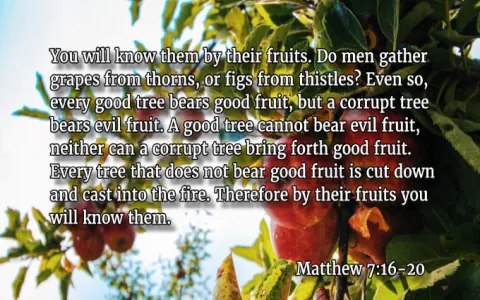
The grapes (the fruit) now represented the actions and character of the believers connected to Jesus. It wasn’t about national output anymore; it was about spiritual fruitfulness—love, joy, peace, all that good stuff the Bible talks about.
I spent a whole afternoon comparing this concept to the parables, especially the laborers in the vineyard. Even there, the focus is on the Kingdom of God and who gets invited to participate—it’s still about purpose and divine ownership.
The Wine and the Final Harvest
I couldn’t ignore the wine part either. It shows up early, like Noah getting drunk, and late, like the Last Supper.
- Celebration and Blessing: Wine often symbolizes joy, abundance, and divine blessing—like turning water into wine. It meant things were good.
- Judgement: This is the dark side. In Revelation, the grapes are trampled in the “winepress of the fury of God’s wrath.” This imagery is brutal. It’s the final crushing and judgment, indicating that the time for harvesting (judgment) has come. The bad fruit (wickedness) is finally processed.
So, after charting all this out, the truth I uncovered wasn’t just one meaning. It’s layered. Grapes are never just snacks. They are:
- The physical manifestation of spiritual production (good deeds, righteousness).
- A symbol of God’s ownership and covenant (first with Israel, then with Christ’s followers).
- A harbinger of judgment or blessing, depending on the fruit they produce.
It’s about purpose. Are we, the branches, producing the fruit the gardener expects? That’s what the grapes are really asking.