







Alright folks, another week, another dive into the weird and wonderful world of dreams. You know I love this stuff—not just the theory, but actually tracking how real life messes with what our brains cook up when we’re asleep. This time, we’re tackling something super common, something we all interact with every single day: the bed in a dream. Everyone has a bed, everyone sleeps, so naturally, this symbol pops up constantly.
My journey into figuring out what a dream bed actually means started with my own messy records. I keep a dream journal—yes, the old-school notebook by the bedside, scrawling notes half-awake. For months, I noticed beds showing up in different contexts. Sometimes it was super cozy, sometimes it was a total disaster area, and sometimes, it wasn’t even mine.
The Practice: Collecting and Categorizing the Bed Dreams
I started by pulling all the ‘bed’ entries from my journal from the last year. I’m talking over fifty instances. I didn’t just read the main symbol; I went deep into the surrounding emotions and actions. You gotta look at the environment, who was in the bed, and how I felt upon waking.
- Step One: The Data Dump. I literally typed up all fifty-something entries into a spreadsheet. Crude, but effective.
- Step Two: Emotional Tagging. For each dream, I assigned core emotional tags: anxiety, peace, desire, sickness, neglect. This immediately showed patterns. For example, peaceful beds often involved sunlight and clean linen. Anxious beds were usually messy, hidden, or completely out of place (like a bed floating in the ocean—true story).
- Step Three: Contextual Grouping. I grouped them into three main buckets: Personal State (beds related to health or rest), Relationships (beds shared or observed with others), and Life Transition (moving beds, abandoned beds, etc.).
This process of sorting everything out really hammered home that a bed is rarely just a bed. It’s a canvas for your internal life.
What the Data Showed: Decoding the Bed Symbol
Let’s talk about the results of this little backyard study. It wasn’t academic, but it was practical. It helped me form some actionable interpretations I now use when someone asks me about their bed dream.
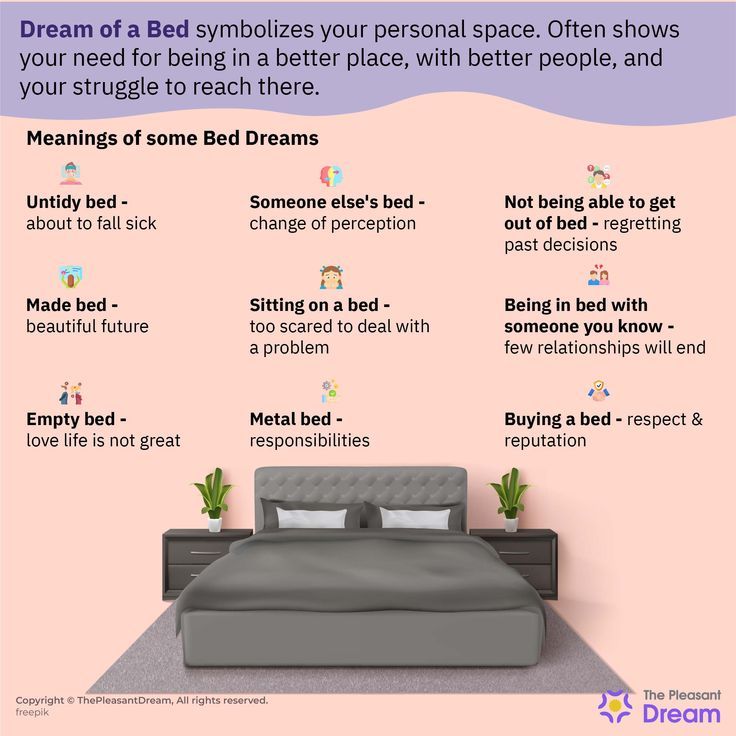
Case 1: The Pristine, Empty Bed. I had several dreams of walking into a room and seeing a perfectly made bed, often in a soothing color. The emotion? A calm anticipation. I tagged this as ‘Readiness for Rest and Renewal.’ It wasn’t about being tired; it was about internal peace and preparation for a new phase. If your dream bed is neat and empty, you’re ready to tackle something new with clear focus.
Case 2: The Messy, Overcrowded Bed. This was common, and always linked to anxiety. I dreamed of a bed absolutely buried under laundry, books, or multiple people trying to sleep. The feeling was always suffocating. This screams ‘Overwhelmed Boundaries and Mental Clutter.’ You are trying to juggle too much personal stuff, and you need to clear the decks both mentally and physically. When the boundaries of your “rest space” are infringed upon, it means your personal space (emotional or physical) is being invaded.
Case 3: A Strange Bed in a Public Place. One of the strongest categories. Dreaming of a bed in the middle of a street, or a grocery store. This feeling was intense vulnerability and exposure. I interpreted this as ‘Unresolved Issues Exposed.’ Your private life or deep-seated issues are feeling too public, or you feel judged for where you seek comfort or rest. If you’re hiding under the covers in this situation, you are actively avoiding facing this exposure.
Case 4: A Sick Bed or a Hospital Bed. Thankfully, few of these, but they always carried a heavy sense of worry. This isn’t always about physical health. It’s often ‘Need for Healing and Recovery.’ If you’re laying in it, you know you need time off. If someone else is in it, you are anxious about their emotional or physical state.
So, the takeaway from this whole exercise is simple but crucial: When you see a bed in your dream, don’t just dismiss it as furniture. Ask yourself: What state is it in? Who is sharing it? And most importantly, how do I feel about being there? The answer will usually point directly to your current state of rest, security, and personal boundaries.