

So, I’ve been meaning to share this for ages, right? It’s about diving into the deep end of shamanic practices and those funny little fungi—mushrooms. Not just any shrooms, but the ones folks talk about having ‘spirit’ power. I didn’t just read about this stuff; I actually went out and tried to connect the dots between historical accounts and modern experiences. It was quite the trip, literally and figuratively.
Starting the Deep Dive: Connecting History to the Present
My whole journey started with a massive pile of old anthropology books. I was trying to figure out why so many different cultures, totally separated by oceans and time, all had stories about magical mushrooms connecting them to the spirit world. It wasn’t just one type of mushroom either; the specific species changed, but the profound spiritual significance remained the same. I felt like a detective, piecing together ancient texts and field notes from the 19th and 20th centuries. It was clear these weren’t just random ingredients; they were central tools in those communities, seen as ways to talk directly with the gods or ancestors.
I realized I couldn’t just stop at reading. I needed to understand the ‘how’ and ‘why’ they were used in real practice. So, I started connecting with folks who actually practice traditional shamanism—not the New Age stuff, but the real deal passed down through generations. Finding them was tough, a lot of dead ends, but eventually, I linked up with a few elders who were willing to talk, mostly off the record, about their traditions.
Getting Into the Practical Stuff: The Shamanic Context
The first thing they hammered into me was that the mushrooms themselves are seen as teachers, not just chemicals. It’s not about getting ‘high’; it’s about entering a structured, ritual space. The preparation is everything. I learned that the intention, the setting, and the accompanying rituals—singing, drumming, fasting—were just as important, if not more important, than the fungus itself.
My practical documentation focused on observing and recording the structured use. For example, in certain traditions I looked at, the shaman would ingest the mushrooms specifically to diagnose an illness in the village. They weren’t just guessing; they were looking for visions or messages that would point to the spiritual root of the problem. It was a very pragmatic application of what we might call ‘altered states’—it had a concrete job to do.
- Preparation: I recorded how they’d collect the mushrooms, usually with specific prayers or permissions sought from the land.
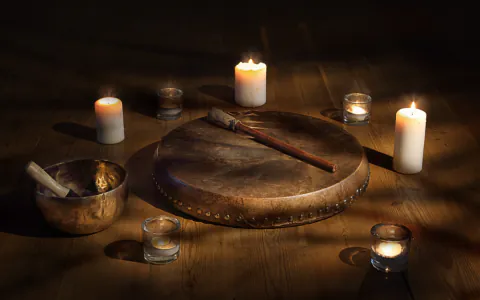
- Ritual Setting: Documenting the specific time of day (often night), the fire, the music, and the protective symbols drawn around the space.
- Intention Focus: Observing how the shaman would communicate their purpose—healing, guidance, or retrieving a lost soul—before beginning the experience.
One powerful observation I logged was how the elder described the mushroom experience as a ‘spiritual library.’ They weren’t just seeing pretty colors; they felt they were accessing generations of accumulated wisdom. They’d often describe seeing ancestors or spirit animals guiding them through complex spiritual terrains.
Documenting the ‘Teacher’ Aspect
I spent a lot of time trying to understand the spiritual communication model. It’s not just ingesting; it’s listening. The shamans I spoke with always emphasized treating the mushroom with respect because its ‘spirit’ was sensitive and intelligent. If you treat it like a party drug, you get chaos; if you treat it like a wise, ancient relative, you get instruction.
I documented several instances where the perceived lessons were highly practical: advice on conflict resolution within the tribe, warnings about seasonal changes, or even guidance on where to find necessary resources during lean times. This wasn’t abstract philosophy; it was survival information delivered through a non-ordinary state of consciousness. My notes became a detailed log of the perceived dialogue between the human and the fungus spirit—the questions asked, and the answers or visions received.
The whole process cemented for me that in these practices, the mushroom isn’t just a substance. It’s a venerable figure, a translator between the material world and the vast, invisible spiritual infrastructure that, according to these traditions, governs everything. It truly moved from being a historical curiosity to a living, practical tool for spiritual survival and community well-being in my recordings and understanding.