




The Strange Case of the Sleeper Train Dreams
You know, I’ve always been one of those people who tries to make sense of everything, even the stuff that happens when you’re completely zoned out—like dreaming. Lately, I’ve been hitting the sack and waking up feeling like I just finished a cross-country rail trip. Seriously, trains. Loads of them. So, I figured, why not try to figure out what the heck my subconscious is trying to tell me?
My first step wasn’t exactly scientific; it was more like a late-night Google binge. I started typing in all sorts of crazy combinations: “dream about speeding train,” “missed train dream meaning,” and even “train going off the rails nightmare.” The results were a mess of ancient symbolism, pop psychology, and some truly weird forums where people shared their deepest, darkest locomotive fantasies. I scrapped that approach pretty quick.
I realized that the standard interpretations felt too generic. A train is about “life’s journey” or “moving towards a goal.” Yeah, thanks, Captain Obvious. My dreams felt more specific, more me.
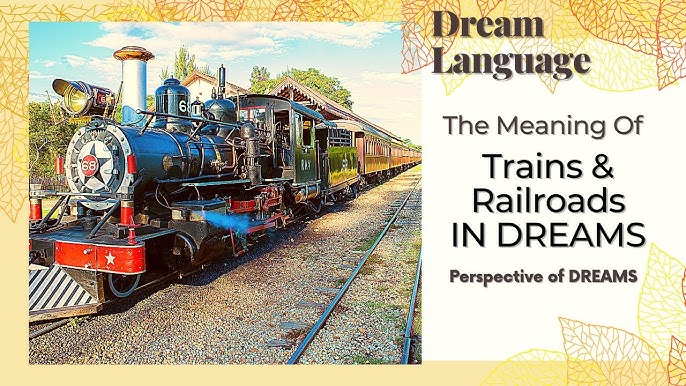
Logging the Locomotive Incidents
So, I started keeping a proper dream journal. I mean, not just scribbling notes, but actually trying to capture the feeling and the context. This was the real practical work. Every morning, as soon as my alarm went off, before checking my phone or making coffee, I’d grab my notebook and write down everything I could remember. It was messy, but over two weeks, a pattern emerged.
- The Fast Train: I often dreamt I was on a high-speed train, but I wasn’t driving or even operating it—just a passenger. The feeling was always out of control but exciting. I felt rushed, like I was moving too quickly past important scenery.
- The Missed Train: This one was classic anxiety. Running, seeing the doors close, the whistle blowing. The core emotion was frustration and regret, standing on the platform knowing I was left behind.
- The Train Switch: This was the weirdest. I’d be in a carriage, and suddenly the train would switch tracks violently. It wasn’t scary, just jarring. It felt like an unexpected change of direction in life, forcing a new route.
Connecting the Dots to Real Life
Once I had these three categories nailed down, I had to connect them to my waking life. This is where the sharing part comes in. I pulled out my calendar and my to-do list for the periods when these dreams were most frequent.
When I was having the Fast Train dreams, I was neck-deep in a huge project with a crazy deadline. Everything felt like it was moving too fast, and I was just trying to keep up without actually steering the ship. I was definitely feeling the pressure of being a passive participant in my own velocity.
The Missed Train dreams? That aligned perfectly with a period where I was delaying making a few big life decisions—things like signing up for that course I wanted or finally booking that trip. I was procrastinating, and my brain was literally telling me I was missing opportunities. It was a tangible manifestation of my own inertia.
And the Train Switch dreams? That happened right after I had a major client unexpectedly pull out. My work plan instantly flipped. The dream was just processing that sudden, unavoidable change in direction. It wasn’t a nightmare; it was my brain adapting to a new track.
The Takeaway I Built
What I learned from all this note-taking and connecting the dots is pretty simple: Dreams about trains aren’t just about general journeys. For me, they were specifically about control and momentum. Are you leading the journey, or are you just along for the ride? Are you moving too fast to appreciate the view? Or are you standing still while everyone else leaves the station?
The dream wasn’t a prophecy; it was just really good feedback on my current stress levels and where I felt most powerless or hesitant in my day-to-day grind. If you’re seeing trains a lot, I highly recommend ditching the generic dream books and just keeping an honest log of your feelings. You’ll probably find the engine room of your own anxiety right there in the carriage.