



So, I’ve been messing around with shapes a lot lately, not just drawing them, but really thinking about what they mean. You know, that whole vibe of finding deep meaning in simple stuff. And the triangle? Man, it hit me different.
I started this whole thing feeling kinda stuck. My routine was just grinding, and I needed something to click, something to make sense of the chaos. I was reading a bunch of esoteric stuff—you know, the usual rabbit hole—and kept bumping into the triangle. Not just in weird symbols, but everywhere: architecture, nature, even how I structure my day.
The Eureka Moment: Three Pillars
I remember sitting down one afternoon, just staring at a scrap of paper where I’d scribbled a rough triangle. I wasn’t trying to draw anything fancy, just a basic shape. And it suddenly dawned on me: the simplest triangle needs three points, and three lines to connect them. Everything in life that feels solid seems to rely on a ‘three-ness.’
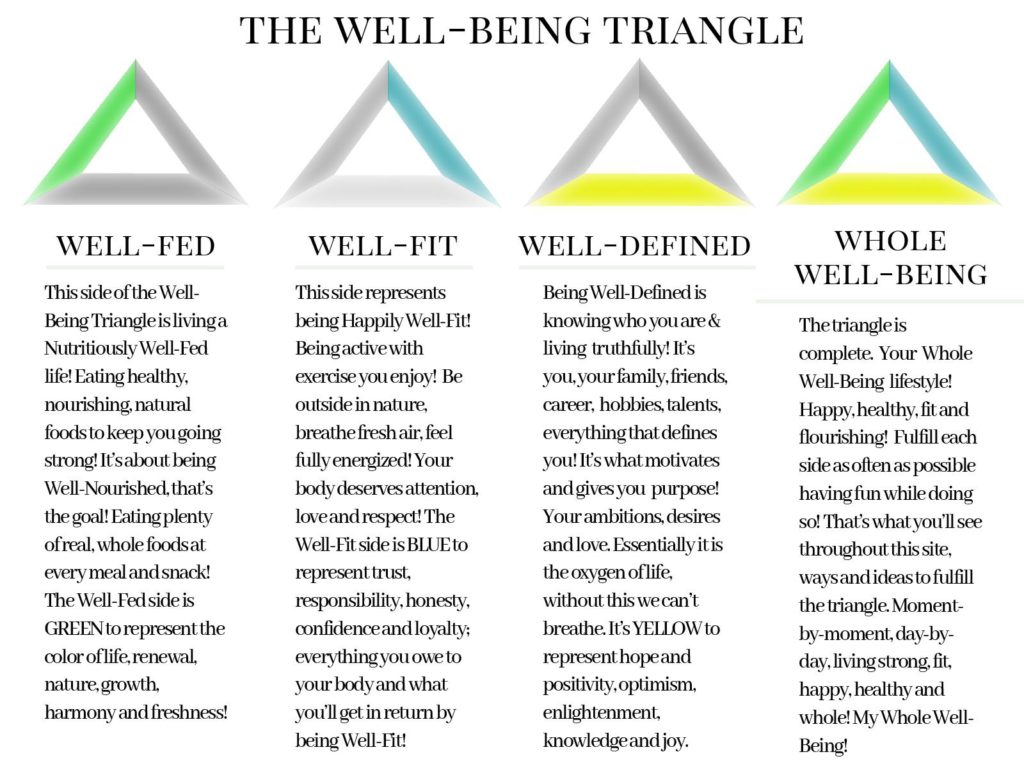
- The Practical Start: I decided to apply this concept immediately to my own life structure. I felt weak in a few areas, so I picked the three most crucial ones: Health, Work, and Relationships.
- First Attempt (A Wobbly Triangle): Initially, my ‘triangle’ was all skewed. I was slamming 80% of my energy into work, 15% into relationships (mostly just checking in), and 5% into health (a quick walk maybe). The whole thing felt unstable, ready to topple over.
- The Adjustment Phase: I literally started drawing my weekly energy allocation as a triangle, aiming for it to be more equilateral. It was almost a game. If I spent too much time coding, the work point stretched out, pulling the whole shape out of balance.
I started tracking my time differently. If I balanced those three pillars—a decent workout for health, focused effort for work, and quality presence for relationships—I noticed my stress levels dropped like a rock. The spiritual meaning wasn’t some abstract idea; it was functional stability.
Actionable Steps I Took
This wasn’t just mental gymnastics. I built habits around this three-point idea. I needed tangible actions to anchor the theory.
Step One: Defining the Base. The base of the triangle is stability, right? For me, that meant routine. Every day, I nailed down three non-negotiables: Wake up by 6 AM, write for an hour, and an hour of phone-free time with my partner. These formed the bottom line, the foundation.
Step Two: Aiming for the Apex. The peak of the triangle represents purpose or direction. I asked myself: What am I building toward? This wasn’t about daily tasks but the overarching goal. When I kept this singular focus in mind—let’s say, launching this specific project—all the smaller, base-level routines suddenly felt meaningful.
Step Three: The Integrating Sides. The two sides are what connect the base (routine) to the apex (purpose). These were the dynamic activities—learning, networking, experimenting. They had to be flexible but consistent, always moving me from where I was to where I wanted to be.
What I realized is that when I defined my life by these three aspects—Foundation, Direction, and the Path connecting them—my energy stopped feeling scattered. The triangle, spiritually speaking, isn’t just about three things existing; it’s about those three things creating a single, integrated whole. When one point is weak, the whole structure suffers.
This simple practice of visualizing my life as a triangle—a constant assessment of balance between those three fundamental forces—truly clarified my path. It’s simple, maybe even too simple, but getting that shape right made everything else fall into place.