



Alright folks, let’s talk Hamsa. I see these everywhere now, from necklaces to wall art, and I started wondering about the whole hand thing—specifically, which way is up and which way is down, and if it even matters. Spoiler: it totally matters depending on what you’re trying to channel or ward off.
I dove deep into this because I was making a few pieces for my own little Etsy shop—some small charms and a couple of painted canvases. I figured if I was selling them, I needed to know the real deal, not just the aesthetics. My journey started with just Googling “Hamsa meaning,” but that was a chaotic mess of half-truths and conflicting spiritual claims. I had to find folks who actually grew up with this symbolism.
The Upwards Hamsa Hand: Protection and Power
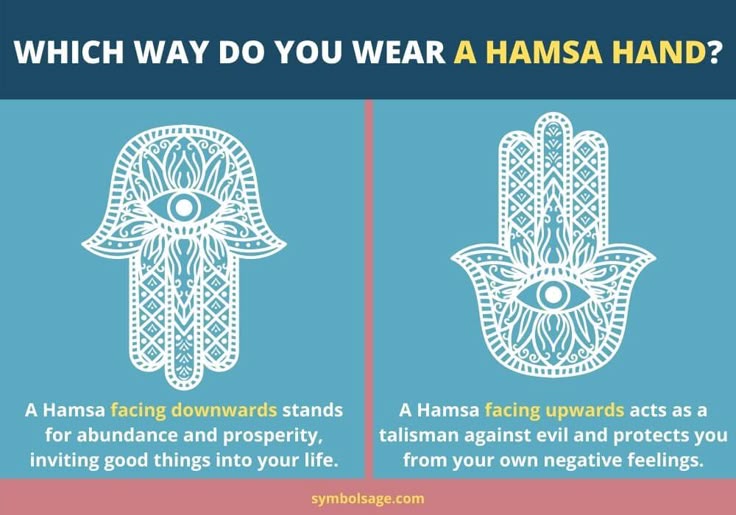
First, I focused on the hand pointing upwards. This is often called the “defensive” posture. When I spoke to a few people with cultural roots in the Middle East and North Africa—a friend’s mother-in-law was a goldmine of info—they universally pointed out that this position is about powerful protection against the Ayn al-ḥasūd, or the evil eye.
My practical takeaway:
- It acts like a stop sign. It’s pushing evil energy away.
- It’s associated with power, strength, and divine blessings like a good downpour when you need it. Think strength and warding off bad luck aggressively.
- When I designed my first canvas, I used strong, vibrant blues and added a simple eye symbol right in the palm to emphasize the protective function. I felt like it needed that bold look.
I ended up making a few keychains with the upward hand because I figured people are constantly out and about, needing that immediate shield from the daily grind and any stray bad vibes thrown their way. It’s like carrying a little spiritual bouncer with you.
The Downwards Hamsa Hand: Welcoming and Abundance
Then there’s the hand pointing downwards. This one is completely different—a much softer, welcoming energy. It’s not about defense; it’s about drawing in the good stuff.
My research revealed this position connects to calling in abundance, luck, fertility, and kindness. It’s like an open hand, receiving blessings from above and letting them flow down into your life. It often features symbols of fish or doves, emphasizing prosperity and harmony.
My practical takeaway:
- It welcomes positive energy, not pushing away the negative. It’s magnetic.
- The emphasis is on flow, blessing, patience, and manifesting good fortune.
- For the charms, I used softer metals like rose gold and added delicate, flowing lines instead of sharp edges. This position is perfect for things you keep in your home or wear close to your heart to attract love and success.
I actually decided to hang a large, downward-facing Hamsa painting above my dining table. Why? Because I wanted that continuous flow of abundance and good conversation during meals. It felt right, like inviting luck right into the house.
Which Direction is Best For You?
After all this digging and designing, the simplest answer is that there isn’t a “best” direction; there’s just the direction that suits your current needs.
I put together this simple choice framework for myself, which I now share with anyone asking about my pieces:
If you’re feeling exposed, dealing with a lot of negativity or conflict, or starting a big, vulnerable project, go UP. You need that powerful, protective boundary immediately.
If you’re feeling content, aiming to grow your career, hoping for love, or wanting to increase the general good fortune in your life, go DOWN. You want to open the gates to receive those blessings.
In the end, I realized that understanding the core intention behind the symbol makes all the difference. It moved past just a cool-looking hand design to something truly meaningful. It makes my work feel less like simple craft and more like sharing a little bit of intentional power with the world. I now carry one Hamsa charm facing up on my key ring and keep another one facing down on my bedside table—a balance of protection and peace.