




Alright folks, buckle up. I’m going to share something a bit out there, but I promise it ties back to practical stuff. It’s about how I started looking at dreams, not as woo-woo nonsense, but as actual data points. Specifically, this “dream interpretation ring” concept—it sounds fancy, I know, but trust me, it’s just a way to organize your thoughts immediately after waking up.
I started this practice because my brain is mush first thing in the morning. I’d have these vivid dreams, feel like they meant something big, and then BAM—gone by the time the coffee machine was spitting out its first drop. So I needed a system, something dead simple I could use while still half-asleep.
The Setup: Pen, Pad, and No Judgment
First step, I literally bought the cheapest notepad and a pen and put them right next to my bed. I told myself: No phone, no screen, just analog scribble. This eliminates the distraction loop right away. If I pick up the phone, I’m checking email before I’ve remembered what I dreamt about.

The “ring” method came from trying to categorize the elements quickly. Think of it like a bullseye target, or concentric rings, but for your feelings and events in the dream.
- The Center (The Core Emotion): The first thing I scribble down, no matter what, is the single strongest feeling. Was it terror? Exhilaration? Profound sadness? Just one word. This is the truth of the dream before the plot fades.
- The Inner Ring (The Action): What was I physically doing? Running? Hiding? Flying? Talking to someone specific? I keep this brief—a short, active sentence or two.
- The Outer Ring (The Characters/Objects): Who was there? Were there weird objects? A blue elephant? My old high school principal? This is the detail layer.
I started doing this religiously for about a month. It didn’t matter if the dream was dull or fantastic. I just grabbed the pad and did the three rings immediately. Most entries were barely legible scribbles, but the key was getting them down before they evaporated.
The Practice: Seeing Patterns Instead of Predictions
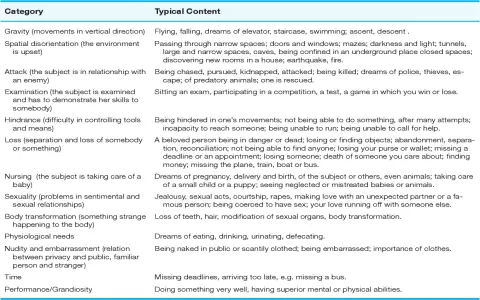
The real breakthrough wasn’t interpreting the dreams individually—I’m no Sigmund Freud. The breakthrough was seeing the patterns emerge over time. Like, for two weeks straight, my “Core Emotion” was anxiety, and the “Action” was always running away from something I couldn’t clearly see.
I realized I wasn’t running from actual dream monsters; I was running from the anxiety of a big project deadline I was consciously ignoring during the day. The dreams were acting as a pressure release valve, or maybe a warning signal, that my emotional state was being dominated by avoidance.
Another pattern I spotted: Whenever I had a highly successful day where I felt competent and achieved something tangible, the “Core Emotion” of the following dream was almost always neutral or positive, and the “Action” involved building or collaborating, even if the content was absurd (like building a castle out of pancakes with my neighbor).
The Real-World Transfer
This whole scribble-ring process became less about “what does this symbol mean?” and more about “what is my subconscious trying to tell me about my current stress levels or satisfaction levels?”
If three days in a row, the center of my dream ring is “Frustration” and the action is “Searching/Failing to find,” I stop and check my day. Am I feeling professionally stagnant? Am I searching for a solution I haven’t identified yet? It gave me a prompt to examine my daytime reality with an emotional lens, something I usually overlook when I’m focused on checklists and tasks.
It’s a simple feedback loop. I document the feeling, track the patterns, and then adjust my actual life based on the aggregate data. It’s like getting a daily emotional diagnostic. It keeps me grounded and forces me to confront those background anxieties that are always humming just beneath the surface, the ones that kill your focus and energy. You don’t need a fancy gadget; you just need a pen, a pad, and five minutes of groggy honesty before the day hits you.