


Catching the Golden Hour in Your Prose: My Journey with the Sunset Metaphor
You know how sometimes you read something, and it just clicks? Like a perfect picture captured at just the right moment? I’ve been trying to bring that vibe into my own writing, especially the stuff I churn out daily—emails, short articles, even notes to myself. Lately, I’ve been wrestling with how to use a sunset metaphor without sounding totally cheesy. That’s been my little project for the last couple of weeks, and man, I’ve got some notes to share.
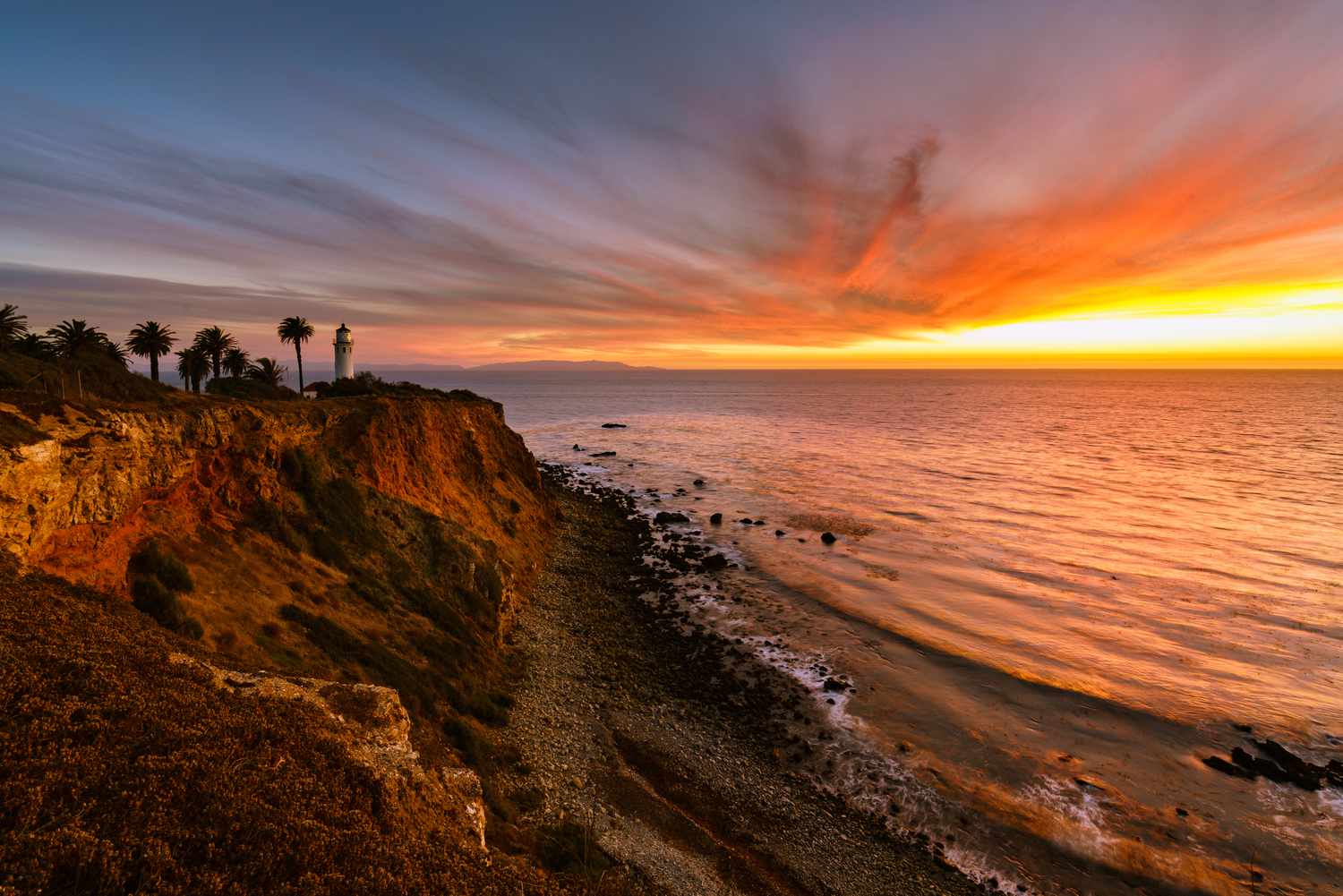
I started by just observing. I live near the coast, so I see some killer sunsets. I didn’t just look at the colors; I focused on the feeling. It’s not just “red and orange.” It’s a slowing down, a deep breath, a sense of finality mixed with a promise for tomorrow. I grabbed my notebook—a real physical one, not on the screen—and just jotted down raw descriptions. Stuff like, “The light bled out of the sky, leaving scars of purple,” or, “That last sliver of sun felt heavy, like a mic drop.”
From Observation to Application: The First Draft Failures
My first attempts at shoving a sunset into my writing were… rough. I was trying too hard to be profound. I remember writing an email about finishing a tough project, and I wrote, “After today’s arduous work, the project sank below the horizon, mirroring the sun’s descent, signaling an end to our struggle.” Yikes. That’s just clunky and overly dramatic for a standard office communication. It felt forced, like wearing a tuxedo to a backyard BBQ.
I realized the mistake: I was using the entire event of the sunset, not just a small, potent piece of it. A successful metaphor needs to be a quick hit, not a whole movie.
So, I went back to the drawing board and focused on breaking the sunset down into its core components:
- The Easing Light: Gradual diminishing, not sudden darkness.
- The Deepening Colors: Intensity before rest.
- The Boundary Line: The moment it touches the horizon—the point of no return.
- The Afterglow: The lingering effect once the main show is over.
The Breakthrough: Focusing on the “Slow Fade”
The ‘slow fade’ became my favorite tool. It’s perfect for describing winding down a process or slowly accepting a loss. Instead of saying, “The negotiations are ending,” I tried, “The energy in the room began its slow sunset fade.” It immediately injects a feeling of inevitability and quiet closure without being a huge distraction. It worked way better in low-key memos and internal reports where I needed to manage expectations.
Another area I tackled was describing intense emotion or transition. Instead of the whole “sun setting,” I just used the colors. If someone was intensely frustrated but trying to hide it, I might say, “A deep, angry orange flashed across his face before he managed to pull the blinds down.” It’s quick, visual, and uses the intensity of the sunset’s peak color—that almost aggressive red—to capture a momentary burst.
I also found the ‘afterglow’ concept surprisingly useful for talking about legacy or lingering impact. When I was writing a recommendation for a colleague who had moved on, I didn’t say, “He left a great mark on the team.” I framed it as, “Even months after he departed, his system changes still provided a warm, reliable afterglow to our daily operations.” It makes the impact feel ongoing and comforting, not just past tense.
The key, I found, was to embed it, not announce it. Use the language of the sunset (fade, horizon, bleed, deepening hue) as a verb or a strong adjective, not as a separate, clunky sentence. I pushed myself to only use two or three words related to the sunset per instance.
This whole practice forced me to edit ruthlessly. If the metaphor didn’t immediately sharpen the meaning, I cut it. My writing now feels tighter and more resonant because I’ve stripped away the extra baggage and only kept the strong, impactful imagery. It’s about letting the light sink subtly into the text, not blasting the reader with a full Hawaiian postcard.