




I gotta tell you about something that put a real knot in my stomach a few weeks back. I woke up totally sweating. I had dreamed about a coffin. Not a nightmare, just… a coffin. Sitting there. Closed. You know that instant dread that just hits you? I felt it full force.
I grabbed my phone and started texting the crew, needing to vent and maybe get a quick, casual, “Nah, man, dreams are garbage.” But what came back? Total old-school doom and gloom. Every single person, my oldest buddy, my sister, my work colleague—they all echoed the same thing: “Dude, that’s bad news. Get ready for loss. Something’s ending.”
My first thought was, Crap. My second thought, the one that always snaps me out of the anxiety spiral, was: Hold on a minute. I refuse to let some foggy, nighttime brain flicker dictate my whole damn week. I’m a pragmatic guy. I build things. I fix things. I don’t just accept superstitions because they’re old and dusty.
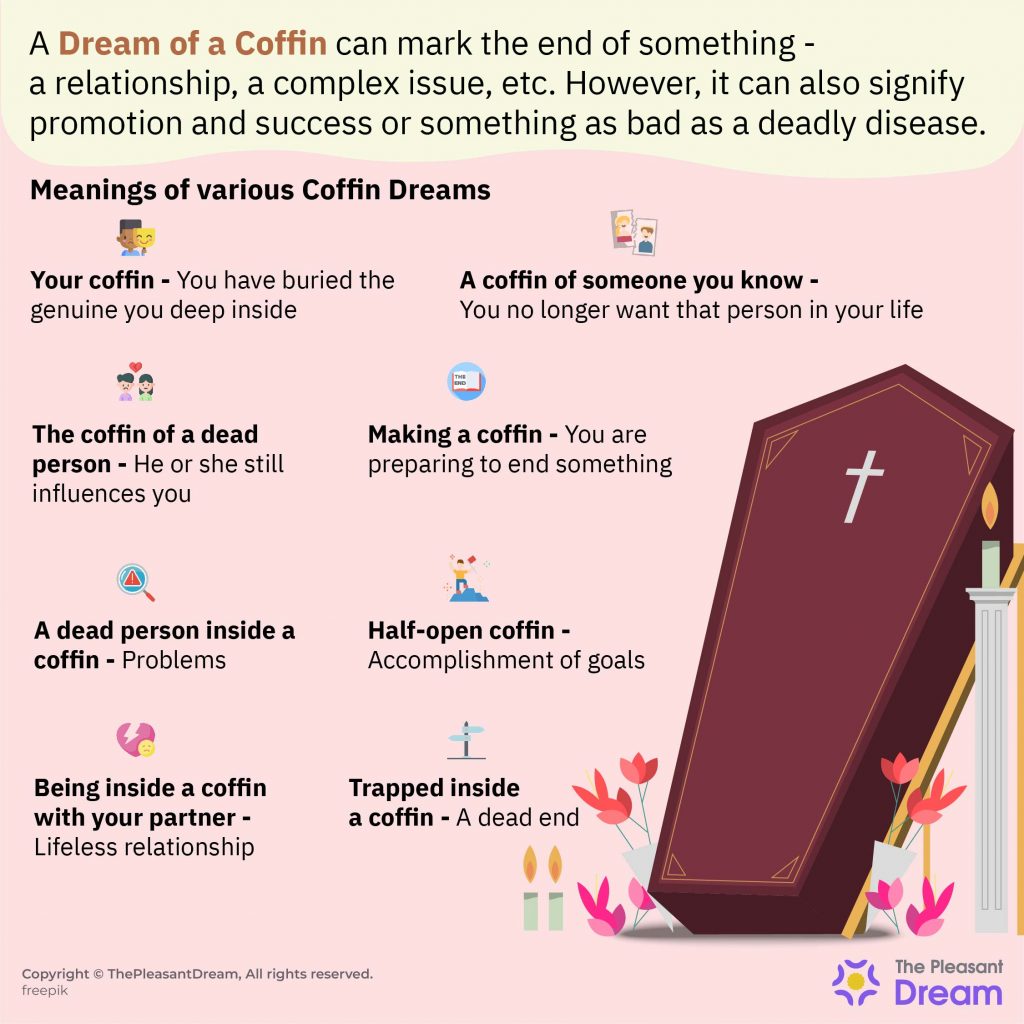
So, I started my own practice. The mission was simple: I was going to prove the positive side of the coffin dream. I didn’t want to just look up some random online garbage; I wanted to experience and record the shift in interpretation myself.
The Practice of Reframing the Coffin Symbol
The first thing I did was dump all the conventional, Western, terrible-luck interpretations out of my head. I literally sat down, wrote the word “COFFIN” on a piece of scratch paper, and then scribbled over all the negative associations: Death, End, Loss, Sadness. I tore that paper up.
Next, I didn’t reach for an encyclopedia; I went internal. I focused hard on recalling the feeling of the dream. I closed my eyes and brought the image back. Was it terrifying? Was I crying? No. It was just… present. Solid. Closed. I realized the feeling was less fear and more… finality. That was my first key insight. The dream was about something being sealed.
I started digging. I wasn’t looking for a crystal ball prediction; I was hunting for psychological or older cultural interpretations. I threw out the “omen” language and started substituting verbs.
I recorded my findings in a quick list, just to solidify the new perspective:
- The Coffin Closes the Book: It means an old chapter is finished. I wrote down the crap I needed to get rid of: that toxic client relationship, the habit of hitting the snooze button five times, the old, junked-up server sitting in my garage.
- The Coffin as a Vessel: It holds something that is no longer needed. It’s a container for transformation. I jotted down: What am I making room for? The answer: a new contract, early mornings, a clear workspace.
- The Coffin as a Sign of Transition: In some old lore, a coffin or burial meant a new birth or prosperity because the cycle had completed. I stopped seeing a dead end and started seeing a launchpad.
This was the real work. For three days, every time the thought of “coffin dream = bad luck” popped into my head, I would stop myself. I would physically shake my head and force myself to substitute the positive meaning I had found. I practiced telling myself: “That coffin means major life change initiated, old baggage sealed away.”
The Recording of the Result and The Realization
The biggest, most tangible recording of this practice came about five days later. I had been wrestling with a huge decision about an important project at work—I had poured months into it, and it was structured in an old, clunky, inefficient way. I was emotionally attached to the initial design, even though I knew it was holding me back. I kept delaying the necessary hard pivot.
The day after I successfully reframed the coffin dream, I went to work and I pulled the plug on the old structure. I walked in, I gathered the team, and I announced we were scrapping 70% of the existing code and starting fresh on a new framework. The change was brutal, it was scary, but it felt absolutely right. It was a massive, conscious “sealing away” of the old, less effective way of doing things.
The result? Within two weeks, the new, streamlined structure was up and running. We finished the project almost a month ahead of schedule. My boss, who was hesitant at first, pulled me aside and told me that moving past the “dead code” was the best decision I’d made all year. I got a significant bonus because of that aggressive, necessary closure.
My crew still talks about that old project as “the thing we buried,” and I just smile. That coffin dream? It wasn’t about loss or death. It was the universe telling me, “The end of the old struggle is here. Seal it up, and make room for the win.” Don’t let anyone tell you every coffin dream is a warning. Sometimes, it’s a damn promotion notice written in dream-speak.
I threw away the worry, and I grabbed the opportunity. That’s the practice. That’s the record. Done.