
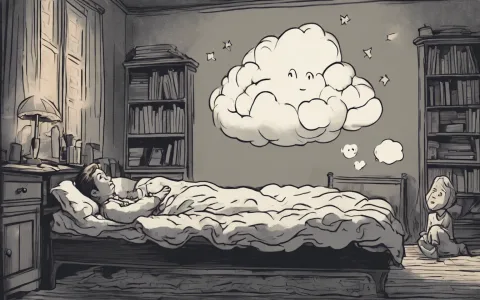





Man, let me tell you, for the longest time, I was having these totally messed up dreams about my teeth. Seriously, like every other night I’d be dreaming that I’d chip a tooth, or they’d just crumble apart in my mouth. It was gross and super stressful. I kept wondering, what the hell is going on?
I started digging around online, doing the usual late-night internet rabbit hole dive. I tried all the obvious stuff first, you know, the common interpretations. Anxiety, stress, feeling powerless. Yeah, yeah, I was stressed, who isn’t? But the dreams were so persistent, so vivid, I felt like something deeper was at play.
The Grind Started: Tracking My Stressors
I decided to get real practical about it. I grabbed one of those cheap little notebooks and started logging my dreams. Not just what happened in the dream, but how I felt right before bed, and what the big pressure points were in my day. I made it simple:
- Date and time I woke up.
- Quick summary of the teeth dream (chipped, falling out, shattered).
- Main emotional state (e.g., panicked, embarrassed, frustrated).
- Top 3 stressors from the previous day.
I did this for maybe three weeks. It was tedious, but I started seeing a pattern. The worst, most intense dreams about my teeth weren’t necessarily tied to my work deadlines, which is what I initially thought. Nope. They were tied to specific interactions.
Specifically, times when I felt like I couldn’t speak up.
The Breakthrough: Silence and Speaking Up
I realized that the ‘chipped teeth’ dreams consistently happened after situations where I wanted to say something important—maybe stand up for myself, voice a strong opinion, or even just ask for something simple—but I held back. I would swallow my words, maybe because I didn’t want conflict, or I felt like my opinion wouldn’t matter.
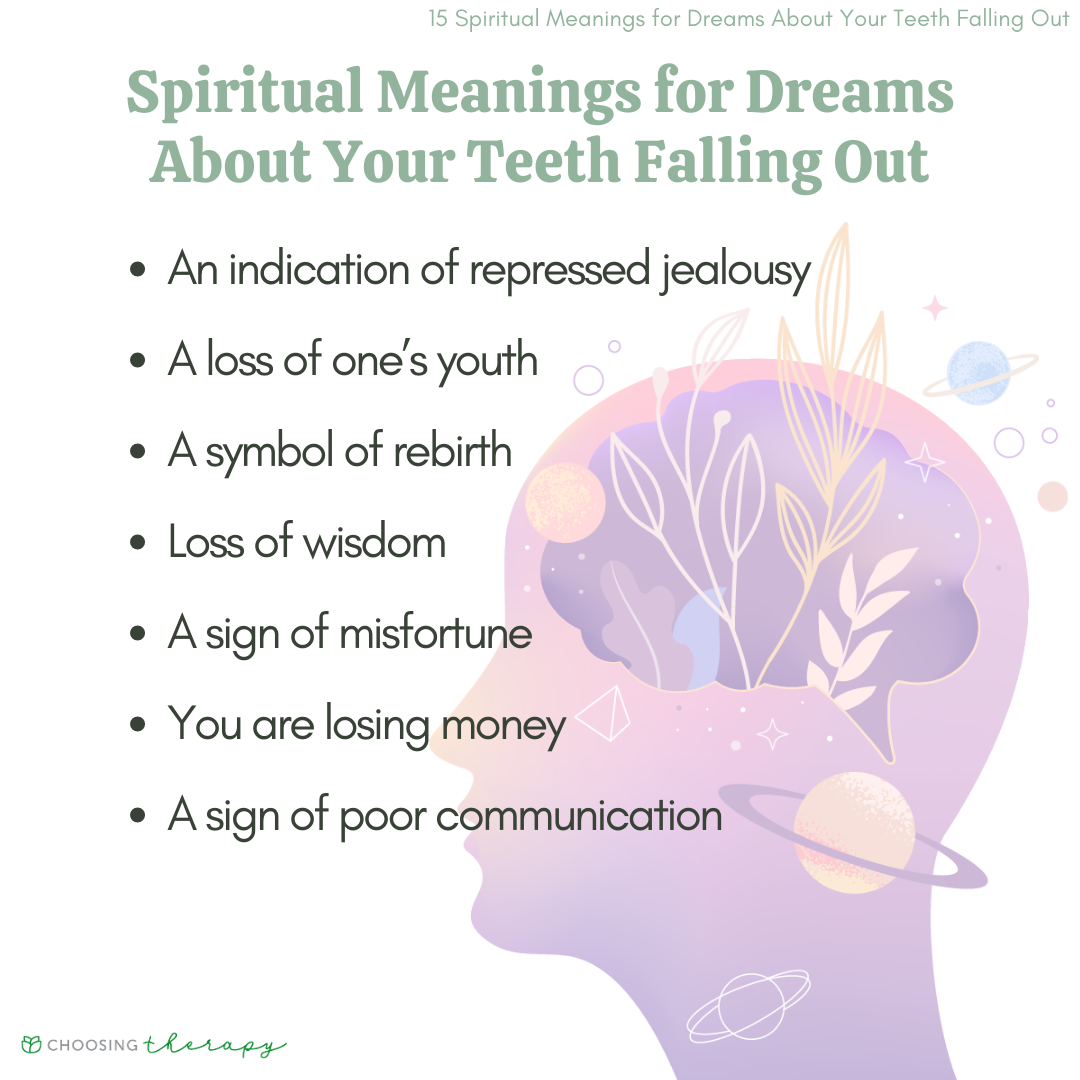
Think about it: your mouth, your teeth, they’re essential for speaking. Chipped or broken teeth? They make communication painful, awkward, or impossible. My subconscious was literally smashing my ability to communicate because I was silencing myself in real life. It was a brutal metaphor, but it clicked.
I remembered one particularly bad dream—my front tooth just snapped off. I looked at my log, and sure enough, the day before, I had a meeting where my boss made a terrible call that I knew would fail, and I totally kept my mouth shut to avoid argument. I felt weak and unheard.
Putting It Into Practice: Finding My Voice
Once I figured this out, the whole thing became an experiment in assertive communication. The goal wasn’t just to stop the dreams, but to stop feeling so damn powerless.
I started small. If someone interrupted me, I would calmly say, “Hold on, I haven’t finished my thought.” Before I committed to something I didn’t want to do, I paused, and simply said, “Let me think about that,” instead of instantly saying yes to please them.
It was scary at first, like wading into cold water. My heart would pound. But every time I articulated my actual thoughts or boundaries, I felt this weird rush of relief.
I noticed the quality of the dreams started changing almost immediately. They didn’t stop overnight, but the intensity dropped. Instead of fully shattering, maybe a tooth felt loose. Then, maybe a week or two later, the teeth dreams just stopped showing up entirely. They were replaced by boring stuff—like wandering around a grocery store or driving on a highway. Normal, non-stressful stuff.
It sounds dramatic, but recognizing that my dreams were yelling at me because I wasn’t speaking up for myself was the whole key. If you’re having those persistent teeth dreams, seriously, look at where you are holding your tongue. Your subconscious might be trying to tell you that it’s time to start talking.