





So, I’ve been thinking a lot about dream catchers lately. Not just the pretty, decorative ones you see everywhere, but the real deal, the ones with a deep history. People ask me all the time, “What’s the actual point of these things? Is it just a cool wall hanging?” Nope. It’s way more than that, and I decided to dig in and try to explain it simply, based on what I’ve been reading and what I’ve tried myself.
Starting with the Idea: Protection and Filtration
The core concept is super simple, right? It’s supposed to catch bad dreams and let the good ones slide through. I mean, that’s the elevator pitch everyone knows. But when you really get into the history, especially with the Ojibwe people, it’s about more than just nightmares. It’s a tool for spiritual protection, especially for babies and young kids. That resonated with me.
I started my own little experiment. I bought a simple, traditional-looking one—no plastic beads, just natural stuff: willow hoop, sinew thread, and a few feathers. I wanted to see if the intention and placement made a difference. I hung it above my bed, where the first morning light would hit it. That’s the key, apparently—the sunlight is supposed to burn away the bad dreams caught in the webbing.
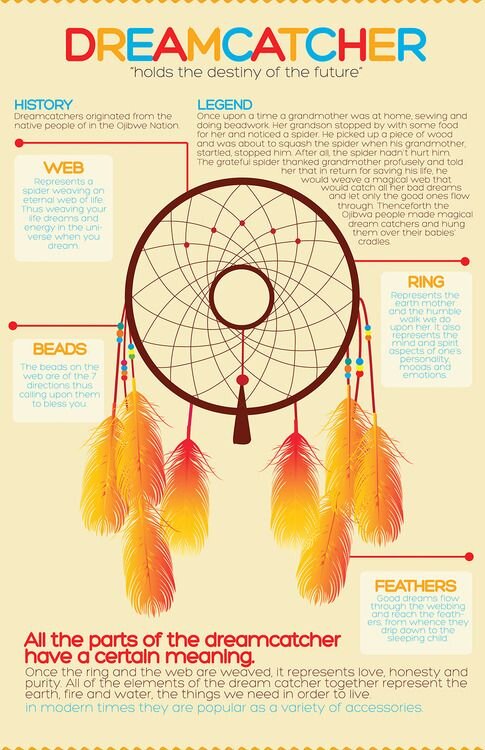
- The Willow Hoop: I learned it represents the circle of life. Everything is connected. When I was setting mine up, I really focused on that cyclical idea. It’s grounding.
- The Webbing: This is the tricky part. It’s woven to resemble a spider’s web—not to trap bugs, but to filter. The bad stuff gets entangled, the good stuff finds the path through the center hole. I spent maybe an hour just staring at the weave, thinking about intent.
- The Feathers: These are the funnels. Good dreams, once they pass the center, are supposed to gently float down the feathers to the sleeping person. I chose an owl feather (ethically sourced, of course) because owls represent wisdom.
The Practice: Intent and Experience
I didn’t just hang it up and forget about it. That’s where most people go wrong. The spiritual part comes from the intent you put into it. Every night for about a month, before going to sleep, I’d look at it and just set the intention: “Only peaceful rest and positive energy tonight.” No crazy ritual, just a moment of focus.
What I noticed wasn’t instant magic, but a subtle shift. I’m usually a restless sleeper, prone to those jarring, stress-induced nightmares. With the dream catcher in place, the bad dreams didn’t vanish entirely, but they seemed less intense, less sticky. They felt more like quick flashes, things that got caught and dissipated quickly, rather than long, drawn-out horror movies. It felt like a cognitive filter was working.
I talked to a friend who is really into Native American studies, and she stressed the importance of knowing who made it. Is it genuinely handcrafted and respected, or mass-produced junk? That energy difference matters. My simple, natural one felt like it carried some weight. It wasn’t just decoration; it had a purpose, even if the “magic” was mostly psychological.
The Final Realization: Simple Meaning
For me, the deep spiritual meaning boils down to simple things: hope, protection, and connection to something traditional. It’s a physical reminder that you are putting safeguards in place for your sleep and your mind. It’s a small ceremony of self-care.
It’s not some complicated spiritual text you need to decipher. It’s an everyday object that encourages positive dreaming. You set the intention for good thoughts to pass easily and negative ones to get trapped until the sun cleanses them. That process—that daily renewal and filtering—is the whole spiritual gig, explained simply. It’s about consciously engaging with your rest.